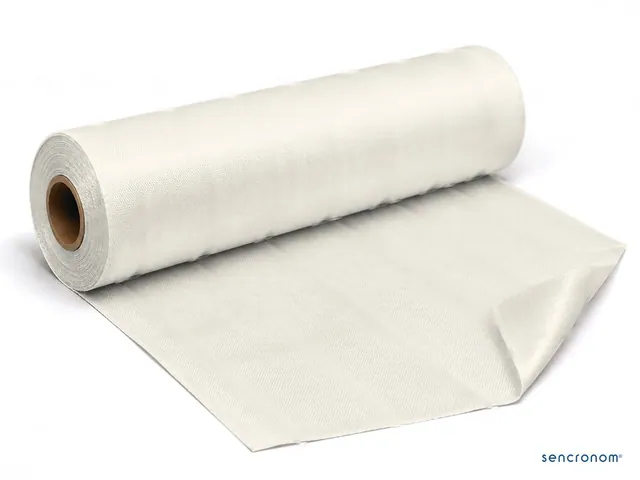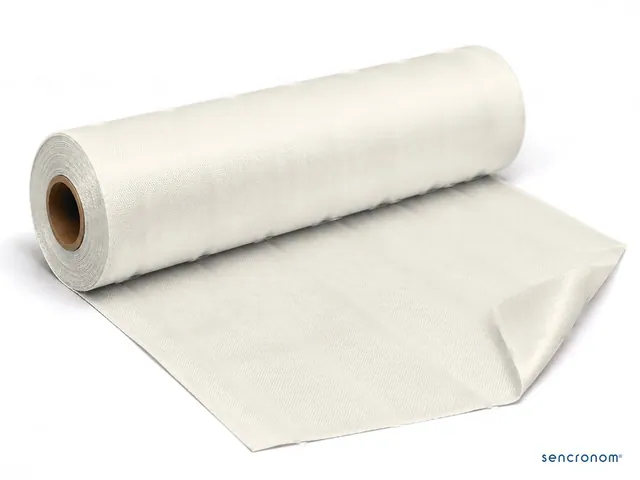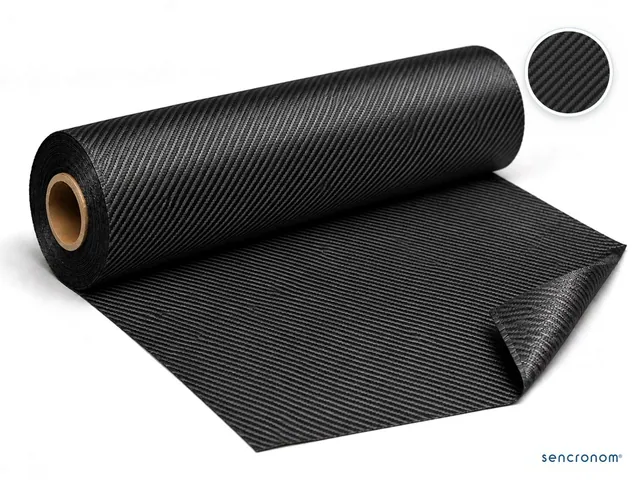
Carbon Fiber Fabric 200 g/m², 3K Twill
Carbon Fiber FabricCF-200T
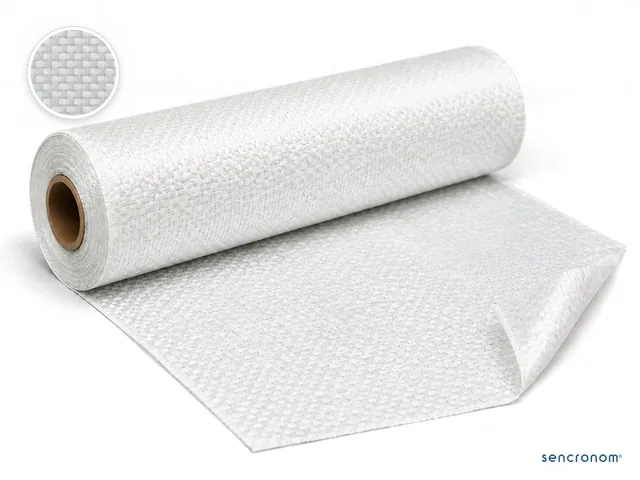
A twill weave that drapes well into the mold, for visible surfaces and structural laminates.
Areal weight
200 g/m²5.9 oz/yd²The resin sets the temperature limit
- Infusion
31 products · 14 groups · 3 families
Reinforcements, resins and vacuum consumables for composite manufacturing. Pick your method and cure temperature; products that don’t fit drop out on their own.
| Compare | |||||||
|---|---|---|---|---|---|---|---|
 | Not limited by temperature | Not suitable for Oven cureSuitable for Vacuum infusionNot suitable for Autoclave | 200g/m²5.9oz/yd² | ||||
 | Not limited by temperature | Not suitable for Oven cureSuitable for Vacuum infusionNot suitable for Autoclave | 300g/m²8.85oz/yd² | ||||
 | ≤ 80 °C≤ 176 °F | Not suitable for Oven cureSuitable for Vacuum infusionNot suitable for Autoclave | 5–40mm0.197–1.57in | ||||
 | 20–80 °C68–176 °F | Not suitable for Oven cureSuitable for Vacuum infusionNot suitable for Autoclave | |||||
 | 80–140 °C176–284 °F | Suitable for Oven cureNot suitable for Vacuum infusionNot suitable for Autoclave | |||||
 | 15–80 °C59–176 °F | Not suitable for Oven cureSuitable for Vacuum infusionNot suitable for Autoclave | |||||
 | 15–80 °C59–176 °F | Not suitable for Oven cureSuitable for Vacuum infusionNot suitable for Autoclave | |||||
 | 110–130 °C · 7 bar230–266 °F · 102 psi | Suitable for Oven cureNot suitable for Vacuum infusionSuitable for Autoclave | 300g/m²8.85oz/yd² | ||||
 | ≤ 120 °C≤ 248 °F | Not suitable for Oven cureSuitable for Vacuum infusionNot suitable for Autoclave | 75–80µm2.95–3.15mil | 500% | |||
 | ≤ 150 °C≤ 302 °F | Suitable for Oven cureSuitable for Vacuum infusionSuitable for Autoclave | 50µm1.97mil | 500% | |||
 | ≤ 170 °C≤ 338 °F | Suitable for Oven cureSuitable for Vacuum infusionSuitable for Autoclave | 50µm1.97mil | 400% | |||
 | ≤ 204 °C · 6.9 bar≤ 399 °F · 100 psi | Suitable for Oven cureSuitable for Vacuum infusionSuitable for Autoclave | 50µm1.97mil | 415% | |||
 | ≤ 212 °C≤ 414 °F | Suitable for Oven cureSuitable for Vacuum infusionSuitable for Autoclave | 50µm1.97mil | 550% | |||
 | ≤ 230 °C · 7 bar≤ 446 °F · 102 psi | Suitable for Oven cureSuitable for Vacuum infusionSuitable for Autoclave | 1.5mm0.059in | 600% | |||
 | ≤ 232 °C · 6.9 bar≤ 450 °F · 100 psi | Suitable for Oven cureSuitable for Vacuum infusionSuitable for Autoclave | 50µm1.97mil | 350% | |||
 | ≤ 120 °C≤ 248 °F | Suitable for Oven cureSuitable for Vacuum infusionNot suitable for Autoclave | 25µm0.98mil | 560% | |||
 | ≤ 204 °C≤ 399 °F | Suitable for Oven cureSuitable for Vacuum infusionSuitable for Autoclave | 30µm1.18mil | 285% | |||
 | ≤ 260 °C≤ 500 °F | Suitable for Oven cureSuitable for Vacuum infusionSuitable for Autoclave | 25µm0.98mil | 350% | |||
 | ≤ 180 °C≤ 356 °F | Suitable for Oven cureSuitable for Vacuum infusionSuitable for Autoclave | 155g/m²4.57oz/yd² | ||||
 | ≤ 204 °C≤ 399 °F | Suitable for Oven cureSuitable for Vacuum infusionSuitable for Autoclave | 80g/m²2.36oz/yd² | ||||
 | ≤ 204 °C≤ 399 °F | Suitable for Oven cureSuitable for Vacuum infusionSuitable for Autoclave | 85g/m²2.51oz/yd² | ||||
 | ≤ 204 °C≤ 399 °F | Suitable for Oven cureSuitable for Vacuum infusionSuitable for Autoclave | 150g/m²4.42oz/yd² | ||||
 | ≤ 204 °C≤ 399 °F | Suitable for Oven cureSuitable for Vacuum infusionSuitable for Autoclave | 85g/m²2.51oz/yd² | ||||
 | ≤ 204 °C≤ 399 °F | Suitable for Oven cureSuitable for Vacuum infusionSuitable for Autoclave | 85g/m²2.51oz/yd² | ||||
 | ≤ 204 °C≤ 399 °F | Suitable for Oven cureNot suitable for Vacuum infusionSuitable for Autoclave | 80g/m²2.36oz/yd² | ||||
 | ≤ 204 °C · 4 bar≤ 399 °F · 58 psi | Suitable for Oven cureNot suitable for Vacuum infusionSuitable for Autoclave | 150g/m²4.42oz/yd² | 2mm0.079in | |||
 | ≤ 204 °C · 6.9 bar≤ 399 °F · 100 psi | Suitable for Oven cureNot suitable for Vacuum infusionSuitable for Autoclave | 340g/m²10oz/yd² | 4mm0.157in | |||
 | ≤ 120 °C≤ 248 °F | Not suitable for Oven cureSuitable for Vacuum infusionNot suitable for Autoclave | 140g/m²4.13oz/yd² | ||||
 | ≤ 150 °C≤ 302 °F | Suitable for Oven cureSuitable for Vacuum infusionSuitable for Autoclave | |||||
 | ≤ 232 °C · 7 bar≤ 450 °F · 102 psi | Suitable for Oven cureSuitable for Vacuum infusionSuitable for Autoclave | |||||
 | ≤ 120 °C≤ 248 °F | Not suitable for Oven cureSuitable for Vacuum infusionNot suitable for Autoclave |
↑↓row↵quick lookXcompareAadd to request
A twill weave that drapes well into the mold, for visible surfaces and structural laminates.
Cost-effective E-glass fabric with balanced strength.
Lightweight closed-cell core that adds stiffness to sandwich structures.
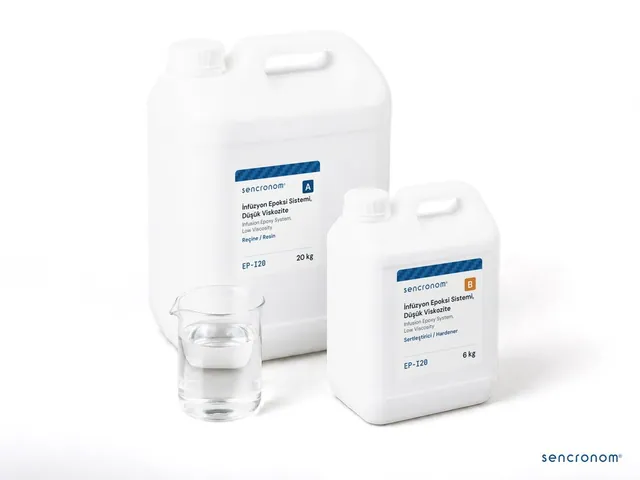
Low-viscosity system with a long open time for even filling of large parts.
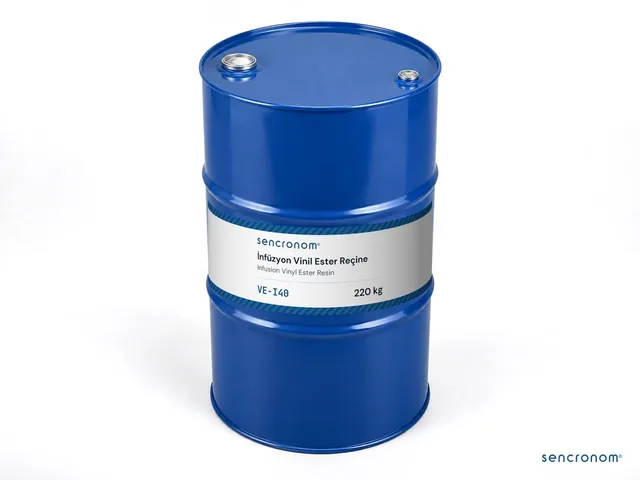
Low-viscosity vinyl ester for corrosion-resistant structures.
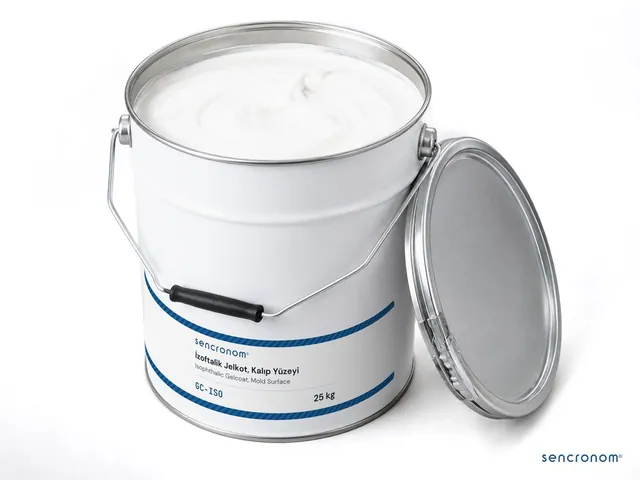
Surface layer applied to the mold first, resistant to water and UV.
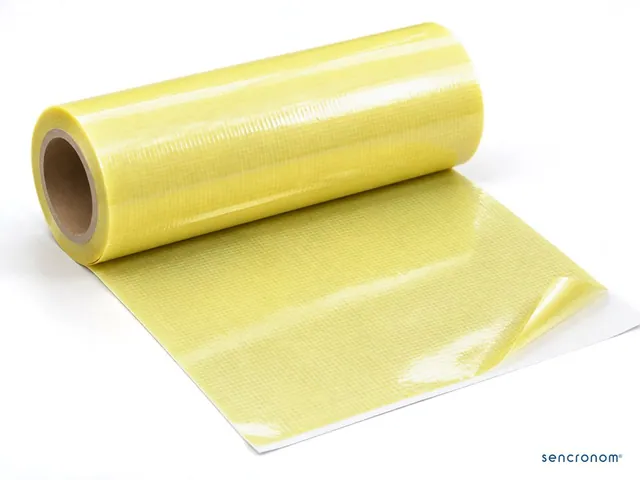
Epoxy film that bonds composite and metal parts at an even thickness.
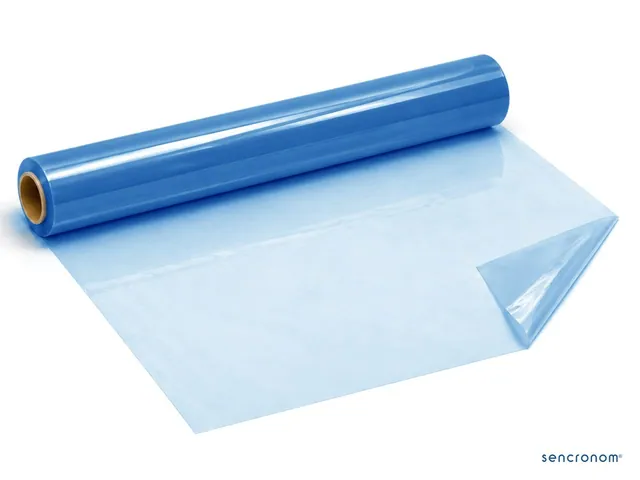
High-elongation film for low-temperature infusion.
Releases on both faces, combining bag and release film in one layer.
Tough yet flexible film for medium-temperature epoxy and phenolic prepregs.
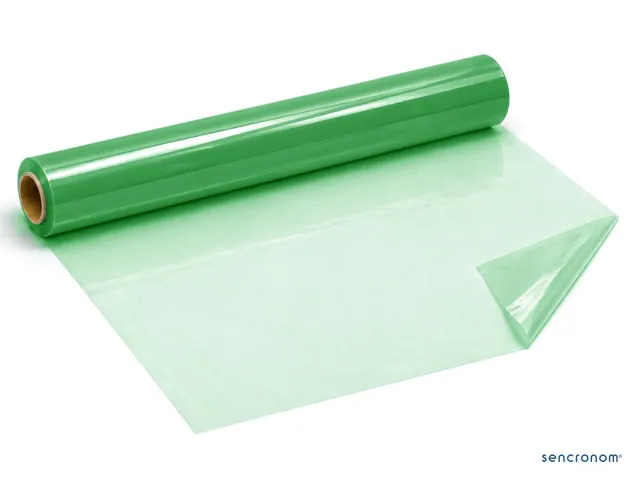
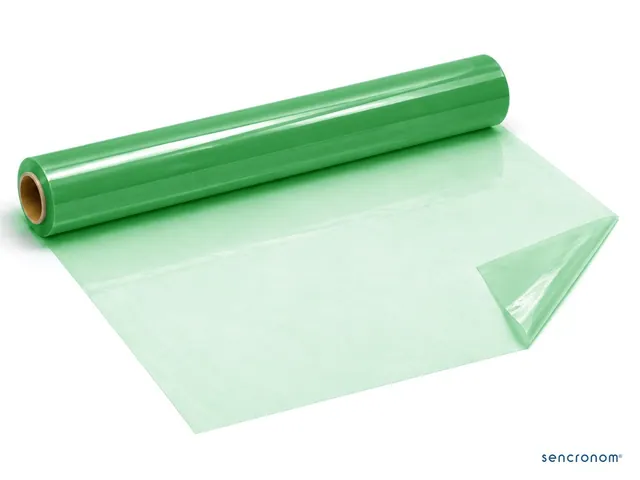
Clear green modified nylon film widely used in aerospace cures.
Heat-resistant bagging film for autoclave and oven cures.
Reusable silicone bag shaped to the mold, for series production.
Nylon film for high-temperature cures, resistant to heat ageing.
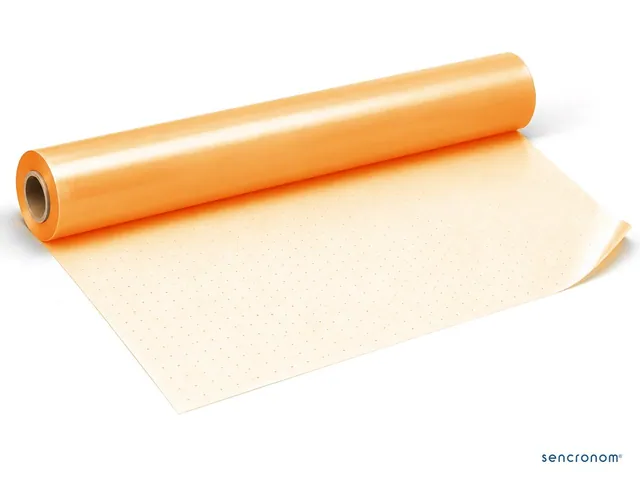
Perforated film that lets excess resin pass in a controlled way.
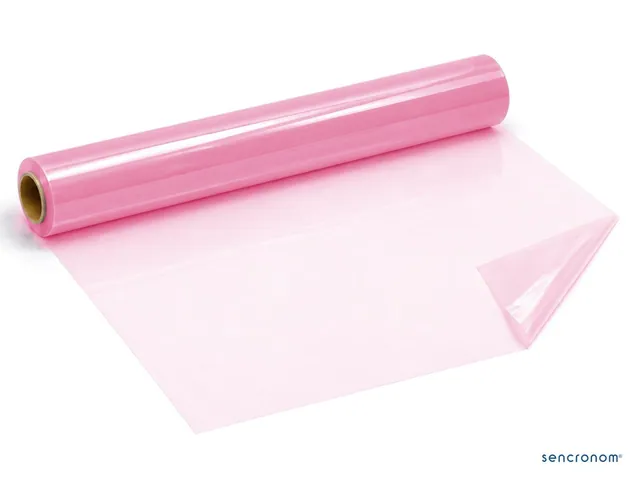
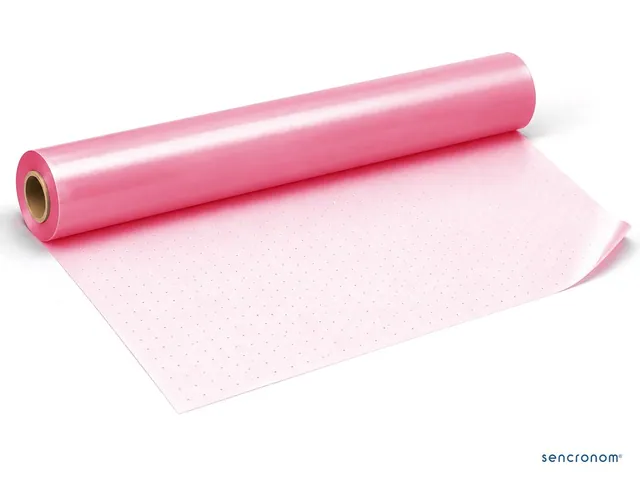
Light, heat-resistant pink film for a wide range of parting uses.
Fluoropolymer release film that does not stick to the part at high temperature.
Heavy polyester peel ply used with resins including phenolic.
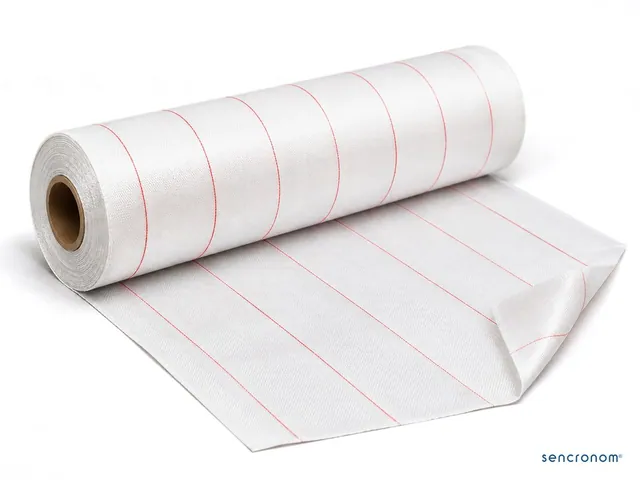
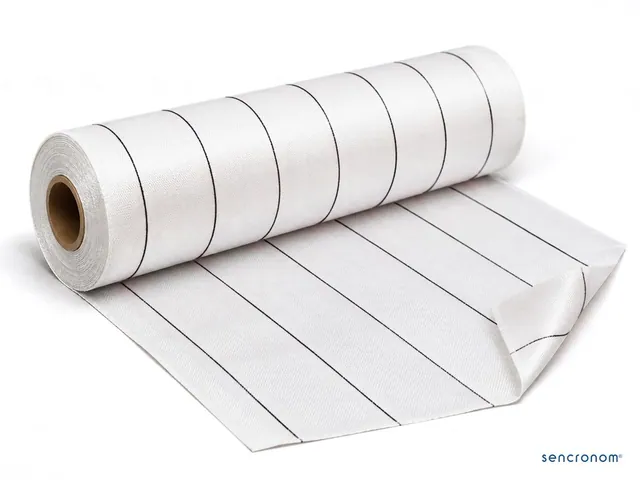
Nylon 66 peel ply with a red tracer line that is easy to spot on the laminate.
Peel ply that leaves a clean, textured surface for secondary bonding.
Natural-color polyester peel ply used with resins including phenolic.
Felt that carries air and volatiles under the bag to the vacuum port.
Heavy felt that stays porous even under high autoclave pressure.
Knitted mesh that quickly spreads resin across the laminate surface in vacuum infusion.
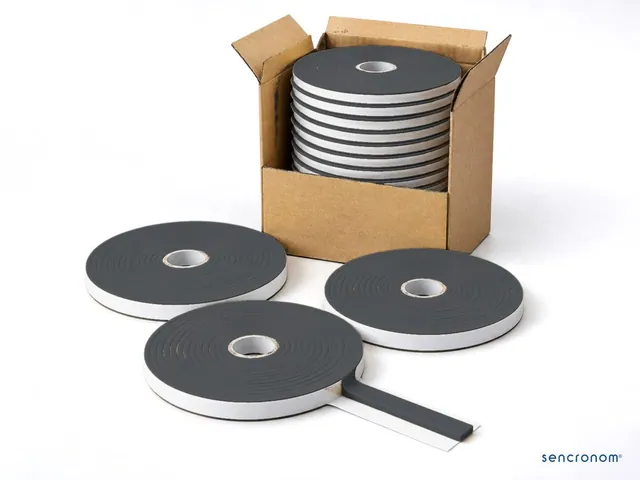
Flexible tape that seals the bag to the mold airtight.
Tape that keeps its seal in autoclave cures without softening or flowing.
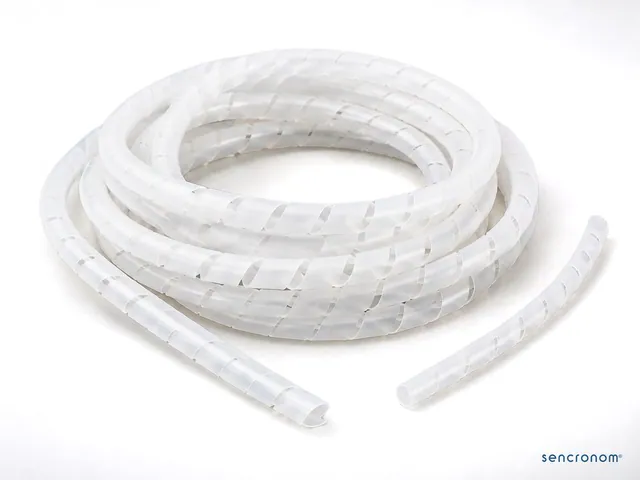
Tubing that distributes resin along the part and carries vacuum in infusion.